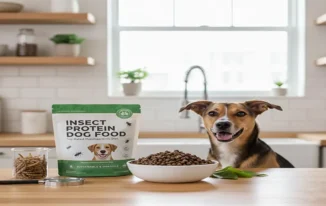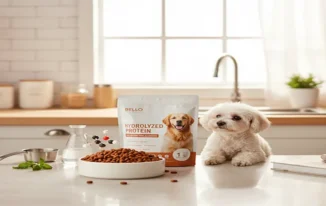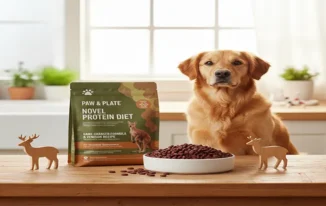


If your dog suffers from chronic Pruritus (itching), recurrent ear infections, or red, inflamed paws, you have likely reached a point of desperation. You’ve tried different kibbles and various shampoos, yet the scratching continues. When environmental factors (like pollen or dust) have been ruled out, or when a dog itches year-round, the culprit is often a food allergy.
However, diagnosing a food allergy isn’t done through a simple blood test—those are notoriously unreliable for food. The “Gold Standard” in veterinary dermatology is the Elimination Diet Trial. This is a 12-week diagnostic journey that requires surgical precision, unwavering discipline, and a deep understanding of canine biology.
Why 12 Weeks?
The most common question owners ask is: “Can’t we just try it for a fortnight?” The answer is a firm no.
The biological rationale for the 12-week window is based on skin cell turnover. It takes approximately 21 to 28 days for new skin cells to reach the surface, but in an allergic dog, the skin is in a state of chronic inflammation. It takes multiple cycles of cell regeneration in a “clean” environment for the skin barrier to stabilize and for the Atopy-like symptoms to subside. Furthermore, the immune system’s IgE antibodies can circulate for weeks after the last exposure to an allergen. A “quick fix” simply does not exist in the world of immunology.
Phase 1: Selecting the “Clean” Protein
You cannot start a trial with standard “Limited Ingredient” food from a big-box pet store. Studies have shown that a significant percentage of over-the-counter diets contain trace proteins (like chicken or beef) not listed on the label due to Cross-Contamination on shared manufacturing lines.
For a diagnostic trial, you must choose between two paths:
- Hydrolyzed Protein Diets: These are specialized veterinary diets where the protein is broken down through a process called hydrolysis. The resulting peptides have a molecular weight typically below $10,000$ Daltons—small enough to “hide” from the immune system.
- Novel Protein Diets: This involves using a protein source the dog has never eaten before (e.g., Kangaroo, Alligator, or Venison). This must be a prescription diet to ensure absolute purity.
Phase 2: The “Zero Tolerance” Home Audit
The diet trial is a “pass/fail” exam. A single “illegal” molecule can reset the clock. Before Day 1, you must perform a total audit of your home.
- Medications: Many heartworm and flea preventatives are beef-flavored. Consult your vet about switching to unflavored topicals or injections during the trial.
- Dental Hygiene: Throw away flavored toothpastes.
- The “Toddler Factor”: If you have children, the dog must be moved to another room during their mealtimes to prevent “floor-scavenging” of crumbs.
- Chew Toys: Rawhides, pig ears, and flavored nylon bones are strictly prohibited.
Pro-Tip: “Legal” Treats
Does your dog miss treats? Take the canned (wet) version of your prescription trial food, cut it into small slices, and bake them in the oven at 180°C until they are “cookie-like.” These are the only safe treats for the next 84 days.
Phase 3: The 7-Day Transition
To avoid “digestive whiplash” (diarrhea or vomiting), you must transition slowly.
- Days 1–2: 25% Trial Food / 75% Old Food.
- Days 3–4: 50% Trial Food / 50% Old Food.
- Days 5–6: 75% Trial Food / 25% Old Food.
- Day 7: 100% Trial Food. The 12-week clock starts today.
Phase 4: The 12-Week Maintenance Phase
Weeks 1–4: The GI Reset
Usually, gastrointestinal symptoms (gas, soft stools) improve first. However, the itching may stay the same or even feel worse as the body clears out old allergens. Do not get discouraged.
Weeks 5–8: The Itch Scale
This is where we look for a reduction in Pruritus. Start a log. On a scale of 1–10, how much is your dog scratching? By Week 8, you should see a noticeable drop in redness and “hot spots.”
Weeks 9–12: The Final Push
This is when most owners quit because the dog looks “cured.” However, finishing the full 12 weeks is vital to ensure the immune system is completely “quiet” before the next phase.
The “Do’s and Don’ts” of the Trial
| DO | DON’T |
| Use the trial kibble as training rewards. | Use “pill pockets” or peanut butter for meds. |
| Wash all bowls with boiling water before Day 1. | Let the dog lick the dishwasher or plates. |
| Inform all neighbors/walkers of the “No Treat” rule. | Give “just one” piece of crust or cheese. |
| Treat secondary yeast/bacterial infections. | Assume a failure if the dog still has a skin infection. |
The “Oral Challenge” (The Reintroduction)
A successful 12-week trial tells you the dog is allergic to something in their old diet, but it doesn’t tell you what. To find out, you perform an Oral Challenge.
Introduce one single protein (e.g., a tablespoon of boiled chicken) alongside the trial food for three days.
- If the dog itches within 72 hours: You have confirmed a chicken allergy. Return to the trial food until the itch stops.
- If no reaction occurs: Chicken is safe. Wait a week, then try beef.
This systematic approach allows you to build a “Safe List” for your dog’s future.
Common Pitfalls and “Trial Breakers”
The most common reason for a “failed” trial is not the food, but Secondary Infections. Allergic skin is prone to overgrowths of Malassezia (yeast) and Staphylococcus (bacteria). If these infections are not treated with medicated baths or antibiotics during the diet trial, the dog will keep itching, and you will wrongly assume the diet isn’t working.
Furthermore, if your dog manages to scavenge a slice of pizza in Week 6, you must technically restart the 12-week clock, as the immune system has been re-triggered.
The 12-week elimination diet is a test of human willpower as much as canine biology. It is difficult, sometimes frustrating, and requires 100% household cooperation. However, the reward is a dog that is finally comfortable in its own skin. By identifying the exact triggers, you move away from expensive “forever” medications and toward a simple, sustainable life of nutritional management.