

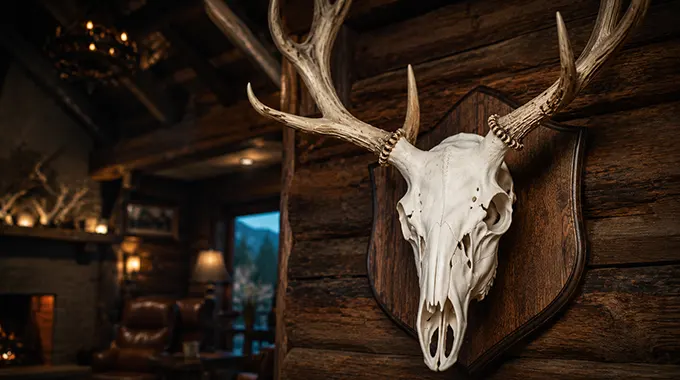
A clean skull is the foundation of any excellent European mount, specimen display, or skull mount. But cleaning is more than simply boiling it or immersing it in water and seeing what happens. The procedure you choose will affect the final appearance, bone integrity, and processing time. Professional Skull Cleaning Services by Kodiak Bones & Bugs offer the best skull cleaning without damaging it. If you’re in the Skull and Bones collection business, you can explore these services over there.
This guide reviews three tried-and-true methods—simmering, maceration, and dermestid beetles—so you can choose the best one for your situation and timeline.
Method 1: Heat Cleaning (Simmering)
The quickest technique is simmering, which is perfect for hunters who require rapid processing. Depending on the skull’s size, a well-controlled simmer takes two to six hours.
The Simmering Method: Step-by-Step
1. Preparation
Use a scalpel or knife to cut away extra muscle, hide, and tissue. Simmering deals with embedded tissue, so don’t strive to make it perfectly clean. Soak the skull in cold water for one to two hours if it was frozen. This gradually thaws the bone and reduces thermal shock.
2. Preparing the Pot
Pour water into a big pot, at least three to four inches over the head. Grease can be broken down and tissue removal accelerated by adding one spoonful of dish soap per gallon of water. The ideal temperature is 160°F (70°C), so bring it to a moderate simmer. Avoid boiling at 212°F. Boiling damages antler attachment sites and deteriorates bone.
3. Skull Size-based Simmering Times
30 to 60 minutes for small skulls (squirrels, rabbits). 1-2 hours for medium skulls (coyote, fox). 3–4 hours for large skulls (deer). Moose and elk have quite massive skulls that last four to six hours. Every half an hour, carefully test the tissue with tweezers or tongs; it should pull free with ease.
After Simmering
Using tongs, remove the skull and let it cool on a sanitized surface. While still warm, remove any leftover tissue with your hands or a gentle brush. Rinse well in cool, clean water. Use clothes to pat dry. Before whitening or mounting, let it air dry completely for 24 to 48 hours.
The Significance of Temperature Control
Too slow below 140°F. The tissue does not completely separate. The ideal range is 140–170°F. Bone doesn’t break, but tissue does. Bone softens and becomes brittle above 170°F. Antler bases deteriorate. Boiling at 212°F+ impairs bone structure, damages tooth enamel, and increases fragility.
Check the water’s temperature every fifteen minutes using a kitchen thermometer or an instant-read meat thermometer. If the temperature rises above 170°F, add colder water.
Basic Mistakes in Simmering
Overheating causes antler separation and bone fragility. Throughout the procedure, carefully regulate the heat. Oversimmering: Bone is weakened when the skull is submerged in water for an extended period of time after the tissue has been cleaned. As soon as the tissue releases, remove. Bringing tap water to a boil: Minerals in tap water can discolor bones. If distilled water is available, use it; otherwise, accept a small mineral deposit. Thick muscular layers require a lot more time than pre-cleaning tissue. To cut processing time by 30 to 50%, pre-clean with a knife.
Method 2: Water Soaking (Maceration)
Maceration offers great results and is slower but kinder to fragile bone structures. If you’re not in a rush and are processing a single skull, this is the best option.
Method 3: Professional Cleaning with Dermestid Beetles
Dermestid beetles, also referred to as flesh-eating beetles, are the gold standard in professional taxidermy studios. They completely clean bone while protecting delicate structures that could be damaged by heat or water.